

Real women in leadership share 3 ways employers can actually make a difference when supporting and retaining female talent
At the beginning of March, we brought together HR and finance leaders from the likes of Olio, WebMD, Peopleful and Argyll for a breakfast roundtable on one of today’s most pressing challenges: retaining women in work.
Something unusual happened. Instead of tiptoeing around the issue, we heard real stories from real women – about careers colliding with childcare and elderlycare demands; about menopause making them question their abilities; about what happens when employers and healthcare providers don’t take these issues seriously.
Without support, these stories have a predictable ending. Women forced to choose between their careers, their health and their families. Employers losing valuable talent, along with years of corporate memory.
None of that has to happen.
So where should employers start? Here are the three things everyone in the room agreed would make the biggest difference.
1. Lead with empathy
If you really want to know how life is spilling into work for your employees… just ask. It sounds simple, but this was one of the strongest themes to come out of the roundtable.
Having regular check points and simply having someone asking “how are you?” means you’re catching things before they blow up.

Data can tell you a lot, but it won’t tell you if someone is quietly struggling with a sick parent, or if your top performer is considering quitting because she feels invisible. To know that, you need to have real conversations. That’s where the real support begins.
Georgie Mack, CEO at Peopleful explains the importance of empathetic conversations
2. Flexibility is everything
People don’t leave their home lives behind when they get to work. This was a point that resonated with everyone around the table.
Your people can’t just stop worrying if their mum’s carer doesn’t show up. The kids still need looking after during the holidays. And brain fog doesn’t wait for the weekend.
It was brutal. Navigating my parents’ care needs whilst looking after the growing needs of my children really started to affect my mental health.
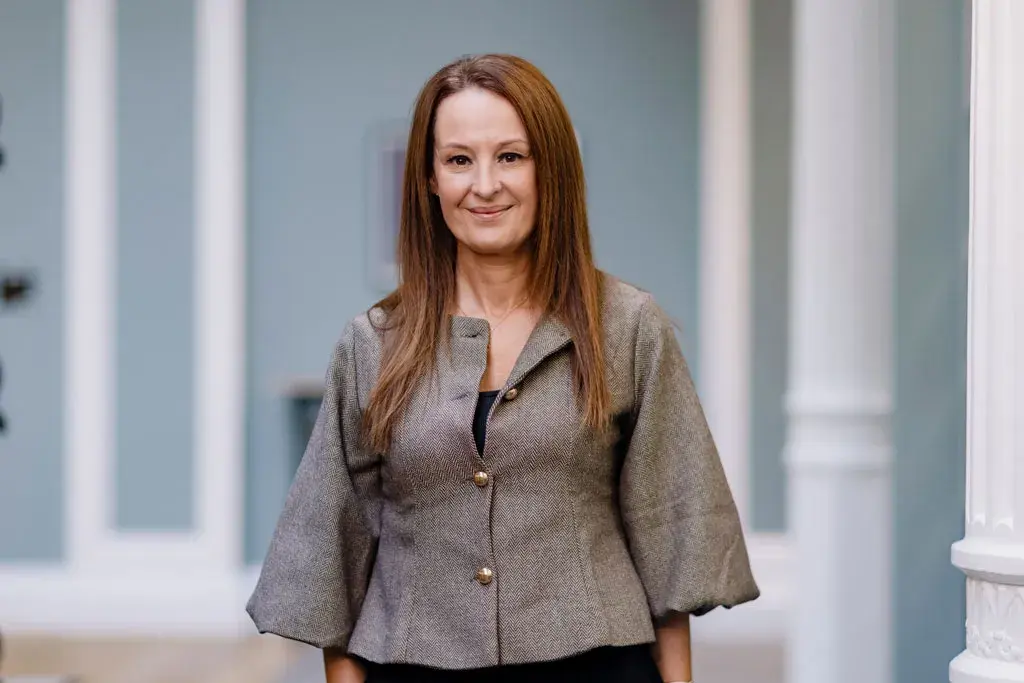
Flexibility isn’t just nice to have – it’s essential. But the room agreed – it only works when women feel genuinely safe to use it.
If managers and leadership don’t encourage people to make use of flexible working, or don’t use it themselves, it sends a message – however unintentional – that it’s not really acceptable.
Thaisa Money, People and Culture Director at Olio tells us what flexibility means to her
3. Communicate, communicate, communicate
When you put support in place, say so – loudly.
It’s easy to rush in with solutions, but as almost everyone in the room had experienced, benefits have a habit of getting forgotten. They sit on intranets nobody visits. New starters join and never get told what’s available.
The mistake is putting some wonderful resources in place, but then failing to recognise they need ongoing communication. They can’t just gather dust in the corner.

Communicate. Then communicate some more. And then? Even more communication. Talk about support in team meetings, one to ones, and company updates. Normalise conversations around family care and women’s health. You might feel like a broken record, but that’s a sign of a job well done.
The good news is none of this is actually all that hard. It’s all common sense.
Losing talented women isn’t inevitable – it never was. Now it’s over to you.